
The Psychology of Gambling
The allure of casino games lies heavily in their psychological appeal. Human beings are inherently drawn to risk and uncertainty, which trigger a rush of dopamine—a neurotransmitter linked to pleasure and reward. This chemical reaction occurs in response to both wins and losses, creating a rollercoaster of emotions that players often find exhilarating. For instance, the excitement of spinning the reels on a slot machine or the suspense of waiting for the ball to land on a roulette wheel can lead to a prolonged engagement with the game, especially when they consider the best nz online casino options available, making it increasingly difficult to walk away once they start playing.
Moreover, the design of these games incorporates various elements that enhance excitement, including bright lights, engaging sounds, and colorful graphics. These sensory stimuli are specifically designed to capture attention and keep players immersed in the gaming experience. When players find themselves enveloped in a vibrant environment filled with the sounds of coins dropping and celebratory jingles, they are further reinforced in their desire to continue playing, as each win or near-win fosters a sense of reward that compels them to stay longer.
Additionally, the concept of intermittent reinforcement plays a crucial role in gambling addiction. Unlike traditional entertainment forms, casino games provide unpredictable rewards that can create a heightened sense of anticipation. A player might experience several losses in a row, only to hit a significant win unexpectedly. This unpredictability not only keeps players engaged but also instills hope for that next big payout, leading to extended hours spent at the gaming table or machine, thereby deepening the addiction.
The Role of Game Design
Casino game design is meticulously crafted to maintain player interest and encourage prolonged play. Game developers employ various mechanics that hook players, such as escalating difficulty levels and in-game rewards. For example, many slot machines incorporate multiple paylines and bonus features that enhance the game’s complexity, providing players with a sense of progression and achievement. This type of design motivates players to continue playing, even after experiencing losses, as they strive to unlock new features or reach a new level.
Another vital aspect of game design is personalization. Many online casino games now allow players to customize their experience, whether it’s through avatars, themes, or game modes. This personalization enhances emotional investment, as players feel a greater connection to a game they can influence or shape themselves. Consequently, this deeper engagement can make stepping away from the game more challenging, as players may perceive they have more at stake, increasing the overall addictive nature of the experience.
Furthermore, social interaction within casino games adds another layer of engagement. Many modern casinos—both physical and online—offer multiplayer options where players can compete or cooperate with friends or strangers. This social aspect heightens the stakes and emotional investment, creating a communal atmosphere that reinforces the desire to keep playing. Players may feel compelled to maintain their status or outperform others, leading to extended gaming sessions and higher addiction potential.
The Influence of Rewards and Bonuses
Rewards and bonuses in casino games serve as strategic tools designed to keep players hooked. Various incentives, such as welcome bonuses, loyalty programs, and free spins, create a sense of value that encourages players to return. These rewards not only provide immediate gratification but also foster a longer-term commitment to the game. For instance, players may feel more inclined to engage with a game if they believe they are receiving more than just the chance to win money, thus increasing their overall playtime.
Moreover, the psychology of ‘loss aversion’ plays a significant role in how bonuses are perceived. Players are often more motivated to recover their losses than to merely enjoy wins. Consequently, when bonuses or rewards are tied to previous losses, they create a compelling narrative for continued play. For example, if a player receives a free spin after a significant loss, they are likely to perceive this as a second chance, thereby increasing their determination to continue playing and recoup their losses.
In addition to the immediate impact of rewards, the long-term strategy of gamification can further intensify addiction. As players accumulate points or rewards, they develop a sense of ownership and investment in the game. This builds a narrative of progress that makes it challenging for individuals to disengage. The fear of losing out on potential rewards can lead to habitual play, reinforcing the cycle of addiction and making it increasingly difficult to recognize when to stop.
The Social Environment of Casinos
The social environment surrounding casinos contributes significantly to the addictive nature of casino games. For many, visiting a casino is not solely about gambling; it is a social outing that combines entertainment, camaraderie, and the thrill of risk. This environment fosters a sense of belonging and community, encouraging players to engage with the games for extended periods. The encouragement and enthusiasm from peers can lead to increased bets and longer gaming sessions, as players often feed off each other’s excitement.
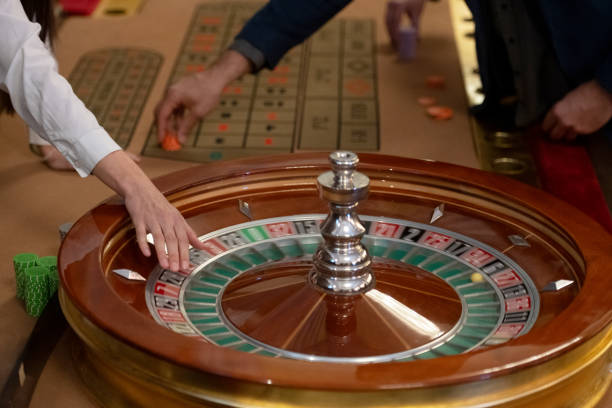
Additionally, the atmosphere within a casino—characterized by energy, excitement, and often celebratory behaviors—can heighten the allure of the games. Players are influenced by the reactions of those around them; when witnessing others win or celebrate, there is a natural inclination to participate in that excitement. This collective enthusiasm can overshadow personal limits and responsible gaming practices, resulting in longer playtimes and increased potential for addiction.
Moreover, online casinos have adapted to this social aspect by integrating chat features and community-based events into their gaming platforms. Players are encouraged to interact, share experiences, and celebrate wins, creating a virtual environment that mimics the excitement of physical casinos. This social engagement further entrenches the habit of playing, as players seek both the thrill of the game and the connections formed within the gaming community, making it harder to disengage.
Exploring Responsible Gaming and Resources
Understanding the addictive nature of casino games underscores the importance of responsible gaming practices. Players should be aware of their limits and the signs of problem gambling to ensure that their gaming experience remains enjoyable and recreational. Many casinos provide resources for players, including self-exclusion programs, limits on deposits, and tools for tracking gambling behavior. Such resources are essential in helping players maintain control over their gaming habits.
Furthermore, there are numerous organizations dedicated to assisting individuals who may struggle with gambling addiction. These resources can offer support, guidance, and strategies for managing gambling habits effectively. By fostering an awareness of the potential for addiction, individuals can make informed choices about their gaming behavior and maintain healthier gaming activities without falling into harmful patterns.
Ultimately, while the thrill of casino games can be captivating, striking a balance between entertainment and responsible play is essential. The more players understand the mechanics behind the games, the psychological triggers they activate, and the social influences at play, the better equipped they will be to enjoy gaming responsibly and avoid the pitfalls of addiction. Awareness and education are key elements in promoting a safe and enjoyable gaming environment for everyone.